








How Do I Get My Criminal Case Dismissed?
If you are searching “how do I get my criminal case dismissed?”, you are probably under serious stress and looking for real answers, not marketing promises. The truth is this: dismissals do happen, but they are usually the result of strategy, timing, and pressure—not luck. This guide explains how criminal cases actually get dismissed, what “the best possible outcome” really means, and how a defense lawyer can work a case toward dismissal, reduction, or a resolution that protects your future.
What It Means When a Case Is Dismissed
A dismissal means the charge is dropped and the government stops prosecuting that case—you are no longer facing that charge under that case number. In many situations, a dismissed case can later be sealed or expunged, which helps protect your record when you apply for jobs, housing, school, or professional licenses.
Common ways cases are dismissed include:
- The prosecutor agrees to dismiss because of legal or factual weaknesses.
- A grand jury declines to indict on a felony (a “no bill”).
- Completion of a deferred or diversion program that ends in dismissal.
- Dismissal after a successful motion or evidentiary challenge.
A dismissal is not automatic; it is usually earned through focused, sustained defense work.
- Setting up meetings in DMs? That counts.
- Posting coded menus or prices on your Story? That counts.
- Using Snapchat location drops for pickups? That counts.
- Taking orders via Facebook Messenger? That DEFINITELY counts
Real Outcomes, Not Just Talk
In a recent set of 26 criminal cases resolved by our office, 12 ended in outright dismissal—about 46% of those resolved cases. Others avoided convictions or long incarceration through deferred outcomes, charge reductions, or probation in place of prison.
Snapshot of outcomes from that case group:
- 12 dismissals (approximately 46% of resolved cases).
- 5 deferred probations, keeping convictions off clients’ records if completed.
- 5 standard probations instead of potential long prison sentences.
- 3 charge reductions, including serious felonies reduced to lesser offenses.
- 1 case involving confinement as the final outcome.
These cases involved DWI, intoxication assault, aggravated assault with a deadly weapon, theft, drug possession, and probation violation allegations. These are not guarantees; they are examples of what can happen when the facts, the law, and the defense strategy align.
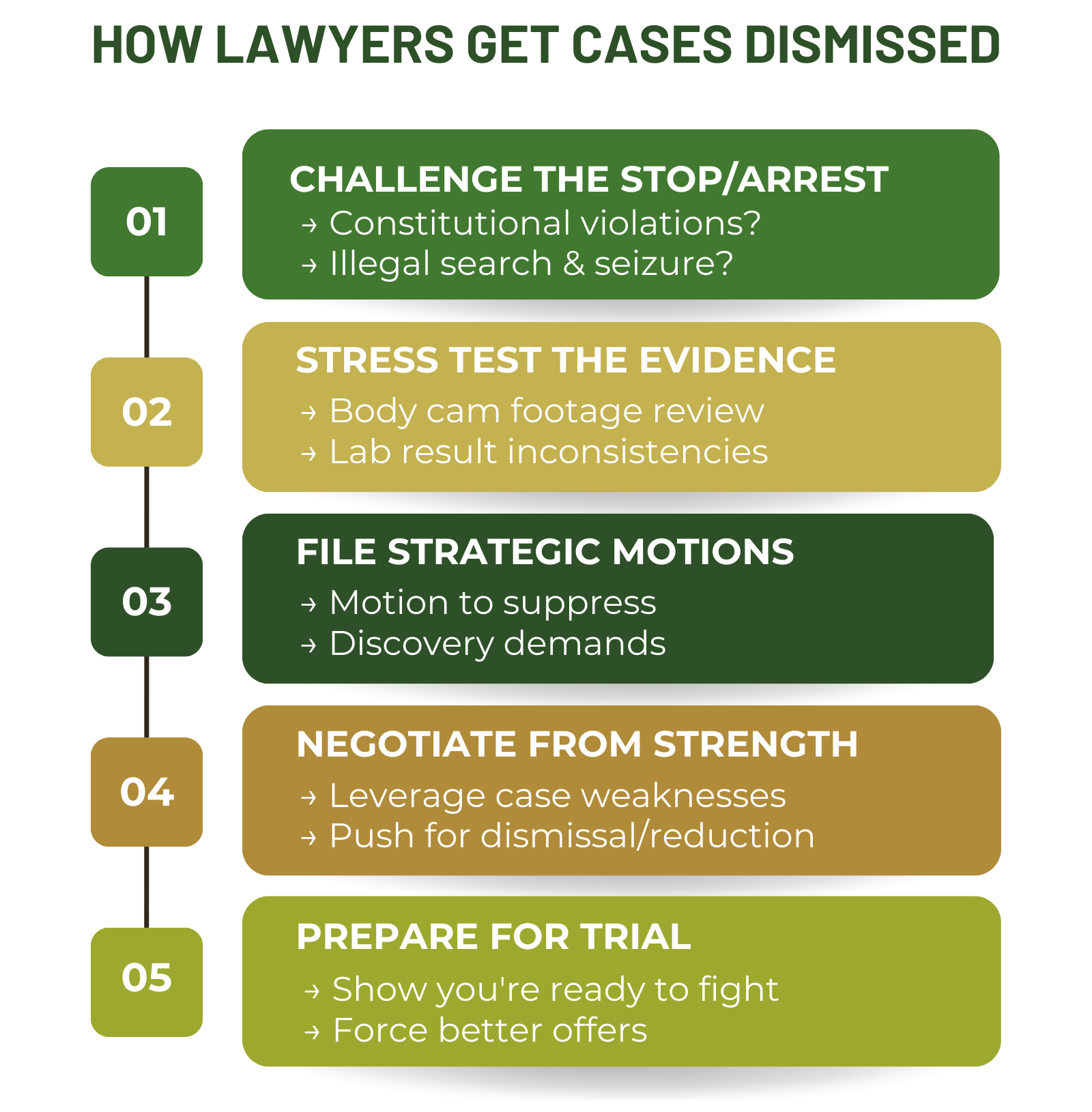
In real practice, dismissals have occurred after grand jury review, after probation revocation motions were challenged, and after investigations showed the case could not be proven beyond a reasonable doubt.
Do You Need “The Best Criminal Defense Lawyer Near Me”?
When people search “best criminal defense lawyer near me,” they are usually asking a deeper question: “Who is actually going to fight for me and tell me the truth?” The right lawyer is not about slogans; it is about judgment, preparation, and follow‑through.
What to look for:
- Experience handling cases like yours (DWI, assault, drug charges, probation issues, felonies).
- Willingness to take cases to trial when necessary.
- Clear communication about risks, options, and realistic outcomes.
- A track record that includes dismissals, reductions, and non‑prison resolutions.
- Transparent fees and written agreements so you know what to expect.
How Cases Can Turn Around
Every case is different, but outcomes can change dramatically with the right strategy.
Examples:
- Felony assault and weapon cases: Charges carrying decades of exposure have been dismissed or resolved without convictions.
- DWI and intoxication cases: Serious allegations have been reduced to misdemeanors or resolved with probation instead of long jail time.
- Probation violation cases: Motions to revoke have been dismissed, avoiding prison altogether.
- Theft and drug cases: Clients have received deferred dispositions and dismissals after successful compliance.
These examples show what is possible, not what is promised.
What You Should Do Right Now If You Are Charged
Time matters in criminal cases, and early action creates more options.
Immediate steps:
- Do not discuss the facts of your case with law enforcement without a lawyer present.
- Gather all paperwork: bond documents, charging papers, and court notices.
- Write down everything you remember about the incident while it is still fresh.
- Speak with a criminal defense lawyer who regularly handles cases like yours in your county.
Talk to a Criminal Defense Lawyer Who Actually Fights
At the Law Offices of Roderick C. White, the focus is on real people facing real criminal charges and real consequences. The approach is practical, aggressive, and grounded in preparation—not empty promises.
If you are asking, “How do I get my case dismissed?” or “Who is the best criminal defense lawyer for my situation?”, the next step is a confidential consultation, not guesswork. A strong defense can change the trajectory of your case and protect your future.
The information in this blog post is general and should not be considered legal advice. Please contact our legal team directly for specific guidance regarding your unique situation.